Forecast Your Savings with Confidence Using a Savings Forecast Calculator
Planning your retirement can feel overwhelming. You want to enjoy your golden years without financial stress. But how do you know if your savings will last? That’s where a savings forecast calculator comes in handy. It helps you see the future of your finances clearly. You can make smart decisions today to secure your tomorrow.
Let’s explore how you can forecast your savings with confidence. You’ll learn practical tips, common pitfalls to avoid, and how to use tools that simplify your planning.
Why Use a Savings Forecast Calculator?
A savings forecast calculator is a powerful tool. It takes your current savings, expected income, and spending habits to predict how long your money will last. This insight is crucial for making informed choices.
Imagine you have $500,000 saved. You plan to withdraw $30,000 a year for living expenses. How long will your savings support you? The calculator answers this question quickly and accurately.
Using this tool helps you:
Set realistic goals based on your financial situation.
Adjust your spending to avoid running out of money.
Plan for unexpected expenses like medical bills or home repairs.
Explore different scenarios such as retiring earlier or later.
By forecasting your savings, you gain peace of mind. You can confidently plan your lifestyle and investments.
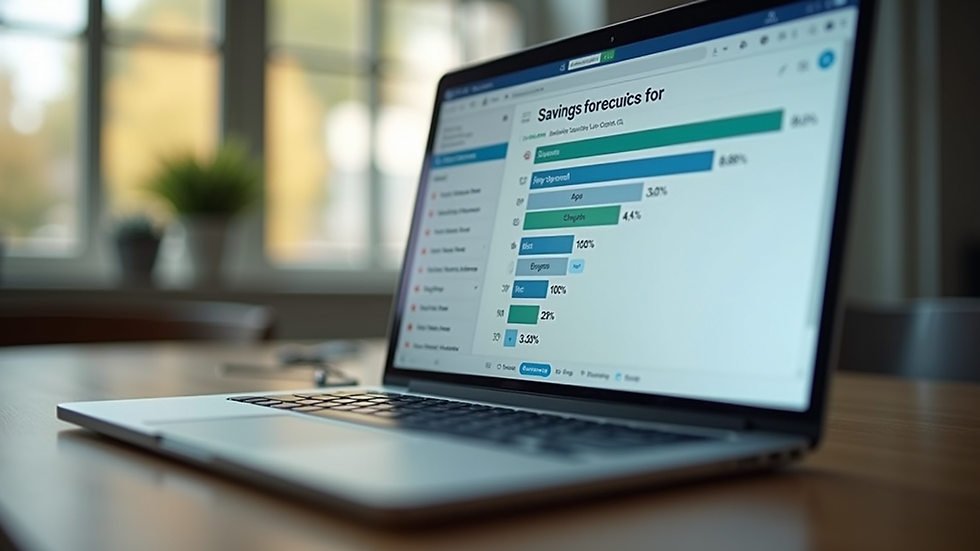
How to Use a Savings Forecast Calculator Effectively
To get the most from a savings forecast calculator, follow these steps:
Gather your financial information: Know your current savings, monthly income, and expenses.
Estimate your retirement spending: Include essentials like housing, food, healthcare, and leisure.
Input realistic assumptions: Use conservative estimates for investment returns and inflation.
Run different scenarios: Test what happens if you retire earlier, spend more, or face unexpected costs.
Review and update regularly: Life changes, so revisit your forecast at least once a year.
For example, if you expect a 4% annual return on investments but want to be cautious, try 3% in the calculator. This helps you prepare for less favorable market conditions.
If you want to try a tool right now, check out this how long will my savings last calculator. It’s user-friendly and designed to give you clear answers.
What is the Biggest Mistake Most People Make Regarding Retirement?
One common mistake is underestimating how long their savings need to last. People often plan for 15 or 20 years of retirement, but many live 30 years or more after they stop working.
This miscalculation can lead to:
Running out of money too soon.
Having to cut back on lifestyle or essentials.
Stress and uncertainty in later years.
Another mistake is ignoring inflation. The cost of living rises over time, so your spending needs will increase. If you don’t factor this in, your savings won’t stretch as far as you think.
To avoid these pitfalls:
Plan for a longer retirement period.
Include inflation in your calculations.
Use a savings forecast calculator to test different timelines.
By doing this, you protect yourself from unpleasant surprises and enjoy your retirement with confidence.

Practical Tips to Boost Your Savings Forecast
You can improve your savings forecast by taking simple, effective steps:
Start saving early: The power of compounding grows your money over time.
Maximize contributions: Use retirement accounts like 401(k)s or IRAs to benefit from tax advantages.
Cut unnecessary expenses: Review your budget and trim non-essential spending.
Diversify investments: Spread your money across stocks, bonds, and other assets to reduce risk.
Delay Social Security benefits: Waiting until full retirement age or later increases your monthly payments.
Plan for healthcare costs: Consider long-term care insurance or health savings accounts.
For example, if you increase your savings rate by just 2% each year, your retirement nest egg can grow significantly. Small changes add up over time.
Remember, forecasting your savings is not a one-time task. Keep tracking your progress and adjust your plan as needed.
How to Handle Unexpected Expenses in Retirement
Unexpected costs can derail your retirement plans if you’re not prepared. These might include:
Medical emergencies
Home repairs
Family support needs
To handle these surprises:
Build an emergency fund separate from your retirement savings.
Consider insurance options that cover major risks.
Keep some liquidity in your portfolio for quick access.
Use your savings forecast calculator to model the impact of these expenses.
For instance, setting aside 6 months of living expenses in a high-yield savings account can provide a safety net. This way, you won’t have to dip into your long-term savings prematurely.
Planning for the unexpected helps you stay on track and enjoy your retirement without financial stress.
Take Control of Your Retirement Planning Today
Forecasting your savings is the key to a secure retirement. With a savings forecast calculator, you gain clarity and confidence. You can make smart choices that protect your future.
Start by gathering your financial details and trying out a reliable calculator. Adjust your plan based on the results and revisit it regularly. Remember, small steps today lead to big rewards tomorrow.
Empower yourself with knowledge and tools. Your retirement should be a time of joy and relaxation, not worry. Take control now and forecast your savings with confidence.

By following these guidelines, you’ll be well on your way to a comfortable and worry-free retirement. Use the tools available, stay informed, and keep your goals in sight. Your future self will thank you.


Comments